


 English
Safety by Design: How Explosion-proof Side Channel Blowers Prevent Ignition Risks
Safety by Design: How Explosion-proof Side Channel Blowers Prevent Ignition Risks
Safety by Design: How Explosion-proof Side Channel Blowers Prevent Ignition Risks
Safety by Design: How Explosion-proof Side Channel Blowers Prevent Ignition Risks
Safety by Design: How Explosion-proof Side Channel Blowers Prevent Ignition Risks
Safety by Design: How Explosion-proof Side Channel Blowers Prevent Ignition Risks
Safety by Design: How Explosion-proof Side Channel Blowers Prevent Ignition Risks
Safety by Design: How Explosion-proof Side Channel Blowers Prevent Ignition Risks
Safety by Design: How Explosion-proof Side Channel Blowers Prevent Ignition Risks
Safety by Design: How Explosion-proof Side Channel Blowers Prevent Ignition Risks
Safety by Design: How Explosion-proof Side Channel Blowers Prevent Ignition Risks
Safety by Design: How Explosion-proof Side Channel Blowers Prevent Ignition Risks
Safety by Design: How Explosion-proof Side Channel Blowers Prevent Ignition Risks
Safety by Design: How Explosion-proof Side Channel Blowers Prevent Ignition Risks
Safety by Design: How Explosion-proof Side Channel Blowers Prevent Ignition Risks
Safety by Design: How Explosion-proof Side Channel Blowers Prevent Ignition Risks

Product Category
Contact us
Safety by Design: How Explosion-proof Side Channel Blowers Prevent Ignition Risks
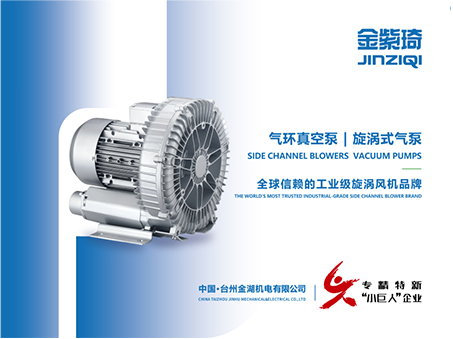
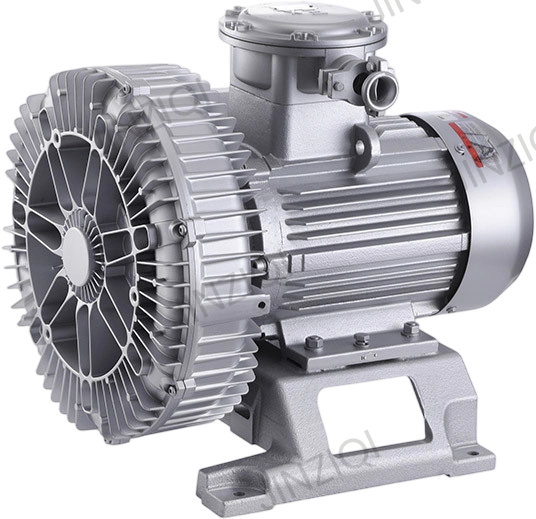
In industries where flammable gases, vapors, or combustible dusts are present, standard air moving equipment can present significant ignition risks. Explosion-proof side channel blowers represent a specialized category of regenerative blowers engineered specifically to operate safely in potentially explosive atmospheres. These safety-critical machines combine reliable air moving performance with purpose-built design features that prevent ignition of hazardous atmospheres, protecting personnel, facilities, and production assets.
Under ATEX and IECEx standards, hazardous locations are categorized into zones based on explosive atmosphere presence:
| Zone | Type | Description |
|---|---|---|
| 0 | Gas | Explosive atmosphere present continuously or long periods |
| 1 | Gas | Explosive atmosphere likely to occur occasionally |
| 2 | Gas | Explosive atmosphere not likely, occurs only briefly |
| 20 | Dust | Explosive dust cloud present continuously |
| 21 | Dust | Explosive dust cloud likely to occur occasionally |
| 22 | Dust | Explosive dust cloud occurs only briefly |
Temperature classifications range from T1 (450°C max surface) to T6 (85°C max) to ensure surfaces remain below substance ignition temperatures.
Core Explosion-proof Design Features
- Flameproof Motor Enclosures: Ex d enclosures withstand internal explosions and prevent flame propagation via precision-machined flame paths.
- Spark-free Construction: Non-sparking material pairings prevent mechanical sparking from contact or friction.
- Anti-static Materials: Components prevent electrostatic discharge ignition, critical for dust applications.
- Surface Temperature Control: Thermal management ensures all surfaces stay within temperature class ratings.
- Dust-tight Sealing: IP65+ seals prevent combustible dust ingress into motor and housing.
- Vibration Control: Precision balancing minimizes vibration that could dislodge dust or cause friction.
-
Key Industrial Applications
- Oil and gas: Vapor extraction, biogas/landfill gas handling
- Chemical/petrochemical: Solvent vapor extraction, fume extraction
- Pharmaceutical: Dust collection, solvent recovery systems
- Wood/grain handling: Combustible dust collection systems
- Metal processing: Aluminum/titanium/magnesium dust extraction
- Wastewater: Digester gas compression, biogas boosting
- Paint/coating: Spray booth ventilation, solvent fume extraction
Selection and Installation
Proper selection begins with a thorough hazard assessment to determine zone classification, gas/dust group, and temperature class. Installation must follow hazardous location electrical codes with certified cable glands, proper grounding, and sealed connections. Only trained personnel should perform installation and maintenance. Regular inspection of seals, grounding, and bearing condition is required.
Conclusion
Explosion-proof side channel blowers are critical safety technology for industries handling flammable materials. Their specialized design, rigorous testing, and third-party certification provide reliable operation in hazardous locations without becoming ignition sources. Proper selection, installation, and maintenance are essential to maintaining safety compliance in explosive atmospheres.
PREV:Selecting High Flow IP55 Side Channel Blowers for Large-Scale Aeration and Conveying Systems
NEXT:High Pressure Air Solutions: Selecting Three Phase Side Channel Blowers for Industrial Systems
NEXT:High Pressure Air Solutions: Selecting Three Phase Side Channel Blowers for Industrial Systems
Featured Products
Full Range Side Channel Blower Solutions
-
 sales@jinhulong.com
 -
 +86-15757686666 / 13736286209
 -
 0086-576-84861180
 -
 Sulou Industrial zone,Yuanqiao Town, Huangyan,Taizhou,Zhejiang, China




Message Us Now !
